

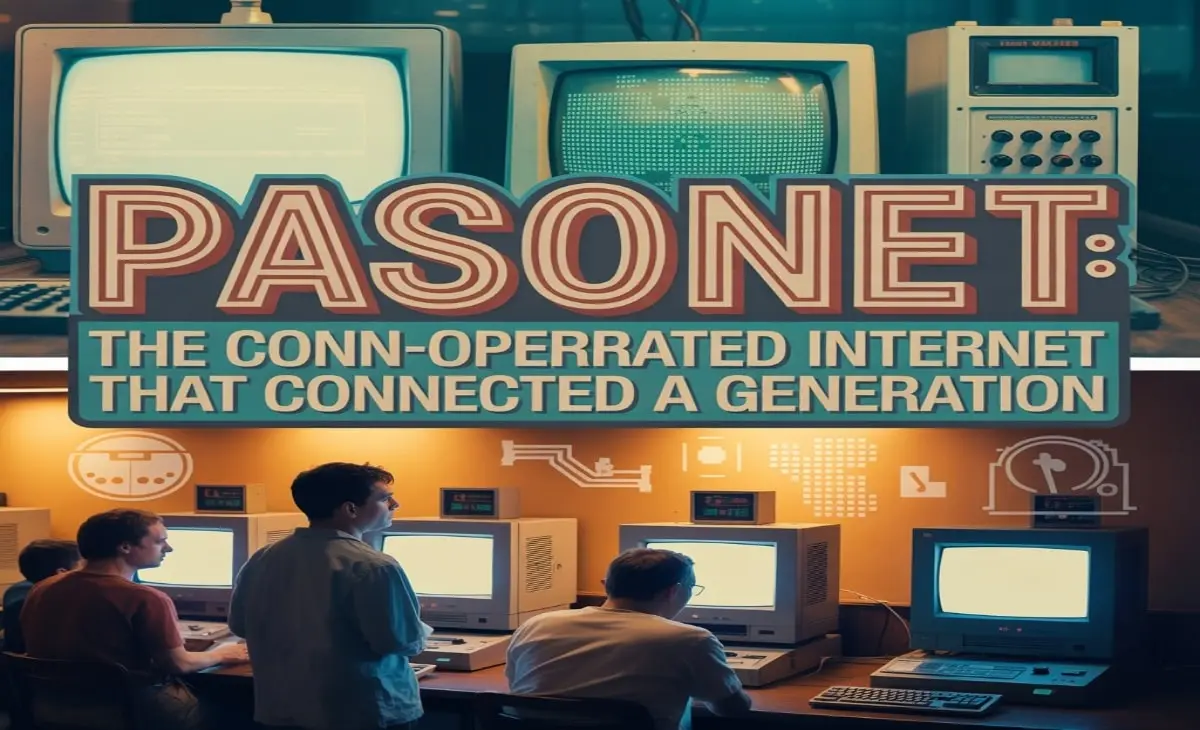

In the late 1990 and early 2000, as the world tiptoed into the internet age, a curious phenomenon began spreading across Filipino neighbourhoods Pasonet.
Small internet kiosks equipped with coin-operated computers started appearing in sari-sari stores, computer shops, and university corridors. For just a few pesos, you could log onto the web, chat with friends, play Ragnarok Online, or check your Friendster profile.
To an entire generation, Pasonet was more than a service; it was an experience. It democratized access to the digital world at a time when home broadband was still a luxury. For students, gamers, and curious minds, those glowing screens behind metal cages represented freedom, curiosity, and connection.
But behind this simple idea lay an ingenious business model and a remarkable piece of grassroots tech innovation. This is the story of how Pasonet bridged the digital divide, transformed Filipino youth culture, and left an indelible mark on the nation’s technological journey.
The Origins of Pasonet: When Connectivity Met Coin Slots
The word “Pasonet” is a contraction of “piso internet” literally one-peso internet. It emerged in the early 2000s when Filipino entrepreneurs began converting personal computers into public-access terminals controlled by coin timers.
The Spark of Innovation
At its core, Pasonet combined two powerful ideas:
- Affordability through micro transactions.
By letting users pay in small increments (₱1 or ₱5 coins), anyone could afford a few minutes online. - Automation through simple hardware.
Modified coin slots or timer boxes automatically locked and unlocked the PC session based on payment.
Local technicians developed ingenious solutions from DIY Arduino-like controllers to commercial timer boxes sold by small suppliers in Manila, Cebu, and Davao. This made it possible for small shop owners to run an internet business with minimal technical expertise.
Early Adopters and the Boom
By 2005, the concept exploded. As broadband spread to urban areas, enterprising Filipinos set up “Pisonet cafes” using old desktops and low-cost DSL connections. The model was so profitable that even telecom companies like PLDT and Smart Broadband started supplying business packages to support these setups.
In provinces and rural towns, Pasonet was revolutionary. It brought the internet to areas beyond the reach of formal cyber cafes turning sari-sari stores into digital gateways for students and job seekers alike.
The Pasonet Experience: Technology, Time, and Tight Budgets
How It Worked
Each Pasonet unit consisted of a standard desktop PC connected to a coin timer. When a coin was inserted:
- The timer unlocked the keyboard and mouse for a specific number of minutes.
- Once time ran out, the system automatically froze or logged out.
- Users could insert another coin to continue seamlessly.
A single peso is often granted 3 to 5 minutes of access, depending on the shop’s setup. Over time, some Pasonet systems added features like:
- Prepaid card support (for regular users)
- Remote time monitoring (for operators managing multiple machines)
- Automatic reboots between sessions for security
Accessibility and Affordability
In the early 2000s, DSL plans could cost ₱1,000–₱2,000 a month out of reach for most families. A Pasonet terminal offered internet access for as little as ₱10 an hour, effectively leveling the playing field for millions of Filipinos.
This low-cost accessibility aligned with the Filipino spirit of diskarte (resourcefulness). Pasonet was a product of necessity, creativity, and community economics, a perfect example of localized tech innovation.
Pasonet and the Rise of Filipino Internet Culture
The Youth Connection
For young Filipinos, Pasonet was their first taste of digital freedom. Whether after school or during weekends, students crowded small internet kiosks to:
- Play Counter-Strike or Ragnarok Online with classmates
- Chat with friends on Yahoo! Messenger
- Customize Friendster layouts with blinking GIFs and emo song lyrics
- Download MP3s and wallpapers from LimeWire — a digital habit that eventually evolved into today’s free streaming platforms like Zoechip
The atmosphere was part digital café, part social club. Every click, every login, every inserted coin became a shared ritual of discovery.
Digital Socialization Before Smartphones
Pasonet represented an early form of digital social life long before the smartphone era. Teens created group chats, shared games, and connected through public computers. It was messy, noisy, and communal, the antithesis of today’s isolated scrolling.
For many, Pasonet taught essential digital skills: typing, navigating search engines, creating email accounts, or managing social profiles. It served as a bridge between the analog 90 and the connected 2010s.
The Business of Pasonet: A Grassroots Tech Economy
Small Business Goldmine
For micro entrepreneurs, Pasonet was a dream come true. With minimal capital, one could transform a small space into a profitable digital hub.
A typical setup included:
- 3–10 refurbished computers
- A DSL or fiber connection
- Coin timers (₱2,000–₱5,000 each)
- A router and network switch
Revenue came not just from internet access but from complementary services printing, scanning, ID photos, and gaming.
According to early reports by local business forums, Pisonet owners could break even within 6–12 months depending on foot traffic. Some even expanded into 24-hour shops serving gamers and freelancers.
Empowering the Informal Economy
Pasonet also boosted local economies in underdeveloped regions. It created jobs for technicians, suppliers, and caretakers. In some towns, Pasonet stations became community centers, places where students did homework, job seekers sent applications, and families connected with relatives abroad.
Social Impact: Bridging the Digital Divide
Pasonet’s most significant legacy was its role in digital inclusion.
In a country with over 7,000 islands and large income disparities, Pasonet democratized the internet in ways no corporate program ever could.
Education and Empowerment
Thousands of students used Pasonet cafés to complete research projects, apply for scholarships, or access educational materials. Even without owning a computer, they could still participate in the digital economy.
Nonprofit studies in the early 2010, including ones cited by Philippine Institute for Development Studies (PIDS), noted that community internet access points played a key role in digital literacy expansion especially among low-income youth.
Overseas Connections
Pasonet also strengthened social ties. Families used it to communicate with OFWs (Overseas Filipino Workers) via early video chat apps like Skype and Yahoo! Messenger. For many, that grainy webcam call from a Pasonet booth was the only way to see a loved one for years.
Controversies and Challenges
Despite its positive impact, Pasonet faced criticism and operational hurdles.
Concerns About Content and Supervision
Because Pasonet booths were often unsupervised, parents and educators worried about exposure to inappropriate content. Without filters or monitoring, minors could easily access violent or adult sites.
This led to calls for government regulation and digital literacy education discussions that later shaped safer internet café guidelines under the Department of Information and Communications Technology (DICT).
Maintenance and Security
Operators also struggled with maintenance issues: hardware breakdowns, coin jams, or software corruption. Since many systems were DIY setups, security and privacy were weak, leaving users vulnerable to malware or data theft.
Despite these flaws, the community-driven nature of Pasonet kept it alive for nearly two decades, a testament to Filipino resilience in the face of limited infrastructure.
The Decline of Pasonet: From Coin Slots to Unlimited Data
By the mid-2010, the digital landscape shifted dramatically. Smartphones and affordable data plans from Globe, Smart, and DITO made the internet portable and continuous.
The Mobile Revolution
As 4G connectivity spread, the need for stationary internet booths waned. Why insert coins when you could access Facebook for free under “Free Basics” or stream content on platforms like VIPStream
and YouTube using prepaid data?
The convenience of mobile browsing, combined with decreasing gadget costs, rendered Pasonet obsolete. Many shops either closed or converted into printing and gaming hubs.
The Last Holdouts
Even so, a handful of Pasonet stations linger in smaller towns and schools, serving students who still lack personal devices. They remain living relics of a transition period, quietly keeping the digital flame alive for those on the margins.
Legacy and Cultural Nostalgia
For millennials and older Gen Z Filipinos, the word Pasonet triggers powerful nostalgia. It evokes memories of plastic chairs, humid computer rooms, and the thrill of a successful log-in before time ran out.
But beyond emotion lies a deeper legacy: Pasonet was the Philippines’ grassroots solution to the global digital divide. It demonstrated how creativity and entrepreneurship could bring connectivity to those excluded from formal access.
Lessons for Today’s Digital Inclusion Efforts
Modern initiatives from community Wi-Fi zones to e-learning centers draw inspiration from Pasonet’s principles: affordability, accessibility, and local ownership.
As the Philippines continues expanding broadband access through programs like Free Wi-Fi for All (DICT, 2024), Pasonet serves as a reminder that connectivity is not just about speed, it’s about inclusion.
Modern Echoes: From Coin-Operated PCs to Digital Micro transactions
Interestingly, the Pasonet model foreshadowed the micro transaction economy that defines today’s digital world.
The pay-per-minute experience of Pasonet mirrors:
- App-based prepaid data plans
- Pay-as-you-go Wi-Fi access points
- Gaming credits and time-based internet rentals
What began as a mechanical coin slot business evolved into a broader mindset: “digital access in small, affordable units.” This same logic underpins fintech apps, microloans, and even mobile gaming today.
Conclusion
Pasonet was more than a business model; it was a movement of accessibility born out of creativity and necessity. It allowed millions of Filipinos to experience the internet for the first time, shaping how they learned, played, and connected.
It bridged socioeconomic divides, nurtured the early digital workforce, and built the foundation for today’s hyper connected Philippines.
While its physical presence has mostly vanished, the spirit of Pasonet lives on in every affordable Wi-Fi hotspot, every free data plan, and every effort to make technology inclusive.
In a world that often moves too fast to remember its origins, the story of Pasonet reminds us that innovation doesn’t always start in labs or boardrooms. Sometimes, it starts with a few pesos, a homemade coin timer, and a community eager to connect.