

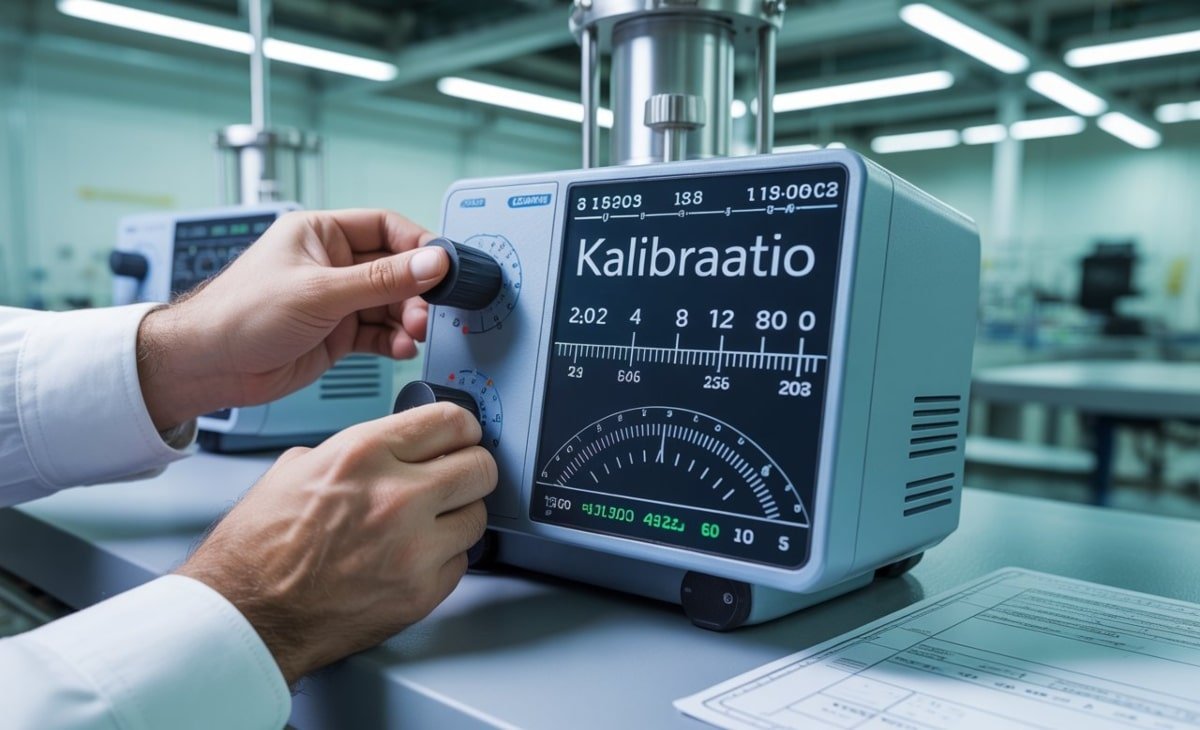

Kalibraatio—better known as calibration—is one of the most essential pillars of today’s measurement technology and quality assurance. Without calibration, even the most advanced instruments can become unreliable, leading to errors, safety risks, and costly failures. From laboratories and healthcare settings to manufacturing, electronics, and aerospace, calibration ensures that measurements remain accurate, traceable, and consistent.
This comprehensive guide breaks down how Kalibraatio works, why it matters, what methods are used across industries, and how companies can integrate it into their quality systems. It also explores modern trends such as digital calibration, predictive algorithms, and Industry 4.0 automation.
What Is Calibration and How Does It Work?
Calibration is the process of comparing a measuring instrument with a known, certified reference standard. If a difference or deviation is found, the instrument may be adjusted or simply documented.
The purpose is to confirm that the device produces results that are:
- Accurate
- Traceable to national or international standards
- Reliable and repeatable
To perform calibration correctly, three components are essential:
- Device Under Test (DUT) – the instrument being checked
- Reference Standard – a certified standard with higher accuracy
- Controlled Conditions – environmental stability to avoid bias
For example, calibrating a pressure sensor involves testing its readings at specific pressure points and comparing them to a reference standard with a verified accuracy.
The Basic Principle of Calibration
Kalibraatio follows a universal principle: measure → compare → adjust.
- The device measures a known value.
- The reading is compared to a certified standard.
- Results are recorded, and adjustments are made if the deviation exceeds acceptable limits.
It’s important to note that calibration does not always require adjustment. Sometimes it simply identifies the performance status of the device.
This process ensures consistency, builds confidence in results, and supports compliance with industry regulations.
Calibration vs Verification vs Adjustment
| Term | Meaning | Purpose |
| Calibration | Compares a device to a standard | Establish accuracy & traceability |
| Verification | Confirms device meets requirements | Compliance with specifications |
| Adjustment | Changes the device to correct errors | Improve accuracy |
Understanding these distinctions is essential in industries where incorrect measurements can lead to major safety risks, regulatory violations, or product failures.
Why Is Calibration Important?
Calibration ensures that measurements remain correct and dependable. Inaccurate measurements can result in:
- Product defects
- Process inefficiencies
- Safety hazards
- Regulatory non-compliance
- Costly recalls or shutdowns
For example:
- A miscalibrated torque wrench could affect automotive assembly safety.
- A drifting laboratory scale could cause incorrect pharmaceutical doses.
Kalibraatio protects against these risks and ensures organizations maintain the highest quality standards.
How Do Inaccurate Measurements Affect Safety and Quality?
When measurement errors occur, the mistakes can spread throughout the production process. This creates a chain reaction with consequences such as:
- Faulty mechanical components
- Incorrect chemical mixtures
- Inconsistent product dimensions
- Failure in safety-critical systems
The cost of these errors is far greater than the cost of performing routine calibration.
Which Industries Depend Most on Calibration?
While calibration is important everywhere, some sectors rely heavily on it:
Healthcare
Blood pressure monitors, infusion pumps, diagnostic devices.
Manufacturing & Automotive
Torque tools, dimensional measurement equipment, pressure gauges.
Electronics & Telecommunications
Oscilloscopes, multimeters, frequency generators.
Aerospace & Energy
Navigation instruments, turbines, pressure systems.
Laboratories & Research
Precision scales, pipettes, environmental chambers.
In each industry, Kalibraatio directly affects safety, performance, and regulatory compliance.
How Often Should Equipment Be Calibrated?
Calibration intervals vary depending on:
- Instrument type
- Usage intensity
- Environmental conditions
- Manufacturer recommendations
- Industry standards
- Risk level
A device used daily in harsh conditions needs more frequent calibration than one used occasionally in controlled environments.
How to Determine the Correct Calibration Interval
Companies usually rely on:
- Risk analysis
- Historical performance data
- As-found vs as-left results
- Manufacturer guidelines
If a device consistently remains within tolerance, intervals may be extended. If deviation occurs regularly, the interval must be shortened.
What Causes Measurement Drift?
Drift occurs naturally over time due to:
- Temperature and humidity variations
- Mechanical wear
- Aging of electronic components
- Dirt, contamination, or corrosion
- Frequent or rough handling
Understanding drift allows organizations to predict when calibration is necessary.
Types of Calibration Methods
Calibration varies depending on the type of measurement. The most common categories include:
Direct vs Indirect Methods
- Direct: Instrument compared directly with a standard (e.g., weights for scales).
- Indirect: Intermediate measurements are used (e.g., calibrated thermometer checking a chamber).
Mechanical Calibration
Calipers, micrometers, torque wrenches.
Electrical Calibration
Multimeters, oscilloscopes, signal generators.
Thermal Kalibraatio
Thermometers, temperature sensors, infrared devices.
Pressure Calibration
Pressure gauges, manometers, barometers.
Volume Calibration
Pipettes, flow meters, tanks.
Each method requires specialized tools and controlled conditions.
How to Choose a Reliable Calibration Service Provider
A trustworthy calibration provider should offer:
- ISO/IEC 17025 accreditation
- Documented traceability
- Clear measurement uncertainty values
- Well-defined calibration scope
- Accurate, detailed certificates
- Reasonable turnaround time
- Strong technical support
Choosing an uncertified provider can lead to failed audits, legal issues, or inaccurate results.
What Does Accredited Calibration Mean?
Accredited calibration follows rigorous standards such as ISO/IEC 17025, ensuring that:
- Procedures are documented and validated
- Measurement uncertainty is calculated
- Reference standards are traceable
- Results are internationally recognized
Accredited certificates hold higher credibility during audits.
What Should a Calibration Certificate Include?
A proper certificate includes:
- Device identification
- Kalibraatio results (as-found & as-left)
- Measurement uncertainty
- Traceability details
- Environmental conditions
- Accreditation reference
This documentation is essential evidence during inspections and compliance audits.
Steps of the Calibration Process
The calibration process typically includes:
1. Preparation
Cleaning, visual inspection, and environmental stabilization.
2. Measurements
Comparing device readings to the reference standard.
3. Analysis & Adjustment
Evaluating deviations and making corrections if needed.
4. Reporting & Certification
Issuing a certificate with all results and traceability.
Each step ensures transparency and repeatability.
Integrating Calibration into Quality Management Systems
For best results, calibration should be embedded within a company’s QMS. This includes:
- Scheduling and reminders
- Documentation procedures
- Assigned responsibilities
- Audit readiness
- Compliance tracking
Proper integration reduces errors, saves money, and strengthens process reliability.
Automation and Predictive Calibration (Industry 4.0)
Modern technologies are transforming calibration with:
- IoT-enabled sensors
- Real-time monitoring
- Predictive algorithms
- Automated scheduling systems
Predictive calibration reduces downtime and ensures instruments are calibrated exactly when needed—not too early, not too late.
Common Calibration Challenges and Misconceptions
Environmental Factors
Temperature, humidity, and vibration can distort results.
Misconception: “One Calibration Is Enough”
All devices drift over time—even high-quality ones.
Using Untraceable Standards
Without traceability to national/international standards, calibration results lose credibility.
Final Words
Kalibraatio (calibration) is much more than a technical requirement—it’s a foundational process that ensures accuracy, safety, and compliance across countless industries. By understanding calibration principles, selecting proper methods, choosing accredited providers, and using digital tools, organizations can maintain high-quality measurement systems that support long-term performance and reliability.
As technology evolves, calibration will continue shifting toward smarter, data-driven, and predictive systems that enhance efficiency and reduce operational risk.
FAQs
What is calibration and why is it important?
Calibration ensures that measuring instruments provide accurate, traceable, and reliable results that comply with regulatory standards.
How often should instruments be calibrated?
Intervals depend on usage, device type, environment, and risk, but many devices require annual or semi-annual calibration.
What is the difference between calibration and verification?
Calibration compares against a standard; verification checks compliance with requirements.
Can calibration be performed on-site?
Yes. Field calibration is possible, but accredited labs provide higher accuracy and better control of conditions.
What factors affect calibration accuracy?
Temperature, humidity, wear, drift, contamination, and aging components.
What is included in a calibration certificate?
Results, uncertainties, traceability, device information, and accreditation details.
What does accredited calibration mean?
It follows ISO/IEC 17025 standards, ensuring international traceability and compliance.