

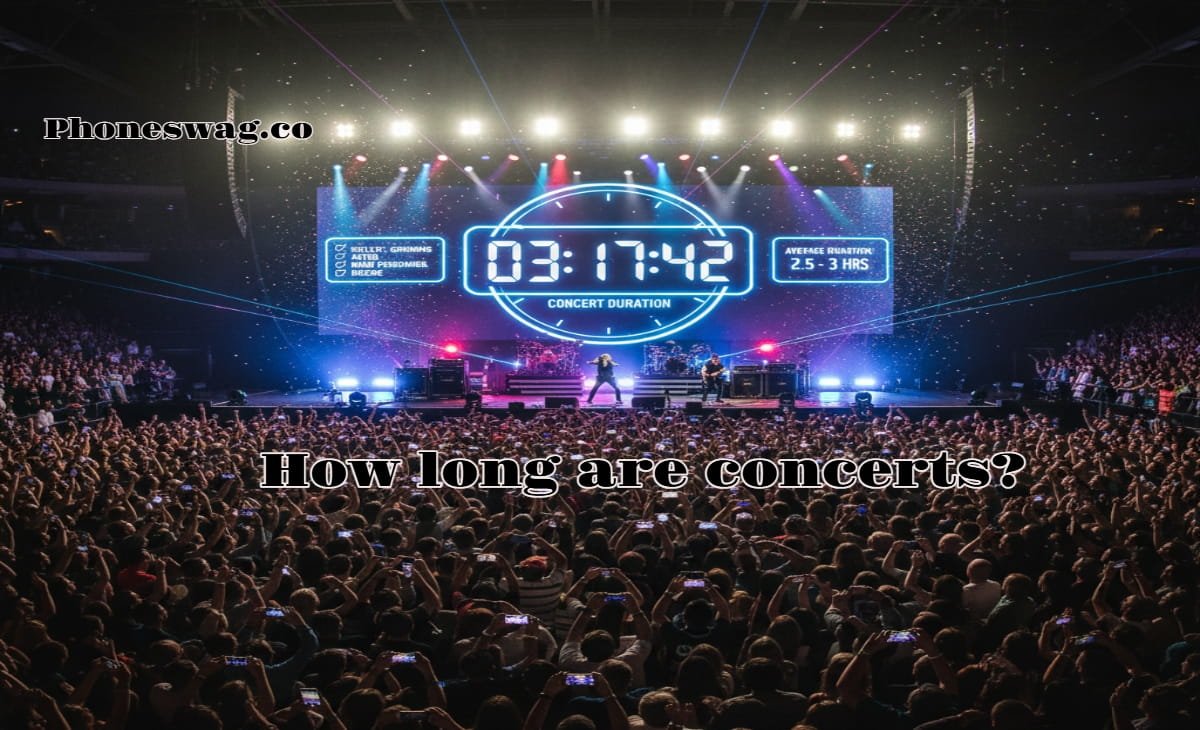

Heading to a concert soon and wondering, “How long will it last?” you’re not alone. Knowing the expected duration helps you plan transportation, meals, and energy for the night.
Concert lengths can vary widely depending on the artist, type of show, venue, and whether there are opening acts. Some concerts wrap up in just an hour, while others can last well over three hours. Understanding typical concert durations ensures you don’t miss any of the music—or the fun.
In this guide, we’ll break down the average concert length, factors that affect how long a show lasts, and what you can expect during a typical performance.
Average Concert Duration
Most concerts fall somewhere between 1.5 and 2.5 hours, but this can differ depending on several key factors. Some artists perform shorter, high-energy shows, while others take their time with extended solos, encores, or elaborate productions.
Typical Concert Lengths:
- Standard Concerts: 1.5–2 hours, including main set and brief encore. Most pop, hip-hop, and top-40 shows fall here.
- Large-Scale Performances: 2.5–3 hours. Major rock acts or stadium events often include extended solos, multiple encores, and special effects.
- Festival Sets: 30–90 minutes per act, but total festival duration can span 6–12 hours or even an entire weekend.
- Classical Concerts: 2–3 hours with intermissions and multiple movements in orchestral performances.
- Musicals & Theater Shows: 2–3 hours, usually including one intermission, featuring storytelling, singing, and stage production.
Factors That Affect Concert Length
Several elements influence how long a concert lasts. Understanding them helps you anticipate the show timeline.
1. Artist or Band Style
Different genres and artists have varying approaches to performance length:
| Genre/Artist | Typical Duration | Performance Style |
| Pop/Top 40 | 1.5–2 hours | Fast-paced, hit-heavy sets with minimal downtime |
| Rock/Metal | 2–3 hours | Extended solos, jam sessions, high energy |
| Jazz/Blues | 2 hours or more | Improvisational, relaxed pace |
| Hip-Hop | 1.5–2 hours | Energetic, crowd-focused, seamless transitions |
| Classical | 2–3 hours | Structured movements, intermissions included |
2. Opening Acts and Guest Performers
Opening acts can add time to the overall event:
- Single Opening Act: Adds 20–45 minutes; total concert can last 2–3 hours.
- Multiple Opening Acts: Common at festivals; concerts can extend 4–5 hours, though the headliner is usually 1.5–2 hours.
- Special Guests: Surprise collaborations can add 10–20 minutes to the performance.
3. Venue and Setting
Where the concert is held impacts duration:
- Arenas & Stadiums: Larger productions often last 2–3 hours with multiple acts, encores, and visual effects.
- Theater or Small Venues: More intimate shows generally last 1.5–2 hours.
- Outdoor Festivals: Each band may perform 1–2 hours, but the entire festival experience can last all day.
4. Type of Music
Some genres naturally lead to longer or shorter performances:
| Music Type | Typical Duration | Performance Style |
| Pop & Dance | 1.5–2 hours | Quick transitions, crowd interaction |
| Rock & Metal | 2–3 hours | Extended solos and encores |
| Electronic | 1.5–2 hours | Continuous DJ sets and long mixes |
| Classical | 2–3 hours | Slow tempo, intermissions, focus on orchestration |
What Happens During a Concert
Knowing the typical timeline helps you plan:
- The Opening: Opening acts last 20–45 minutes, warming up the crowd.
- The Main Act: Usually 1.5–2 hours, featuring hits, album tracks, and sometimes extended versions.
- Encore: 10–20 minutes for additional songs after the main performance.
- Breaks & Intermissions: Classical concerts, musicals, or multi-act performances often include 10–20 minute intermissions for refreshments or restroom breaks.
Understanding Setlists and Flow
Artists carefully plan their setlists to balance energy, emotion, and crowd engagement:
- Start with high-energy songs to grab attention.
- Alternate slower tracks with fan favorites for pacing.
- Include new material, covers, or unreleased songs for variety.
Knowing the setlist rhythm helps you anticipate peak moments and crowd sing-alongs.
How to Prepare for a Concert’s Length
To enjoy the show without fatigue:
- Dress comfortably and wear supportive shoes.
- Plan arrival time and transportation, especially for large venues.
- Stay hydrated and eat a light meal beforehand.
- Bring essentials like water, snacks, and maybe a portable charger for your phone at outdoor events.
Being prepared allows you to enjoy the full concert, regardless of duration.
Final Thoughts
So, how long are concerts? Most concerts range from 1.5 to 3 hours, but factors like artist, genre, opening acts, and venue can extend or shorten the experience.
Festivals and multi-act shows can take an entire day, while intimate performances might wrap up quickly. Planning ahead and understanding the typical concert flow ensures you enjoy every song and every moment without stress.
Next time you attend a concert, you’ll know how much time to set aside and how to make the most of your live music experience.